
Why this matters: Boards expect you to separate signal from hype. This is your implementation script.
The Consultant's Paradox
You have 10 minutes with a CEO. They want to "modernize everything." Identify which move creates Immediate Strategic Value versus just Administrative Ease.
“We spend $4M annually on consultants reconciling data across 12 legacy systems for quarterly reports.”

A–F: Framing the Foundations
Use these building blocks when explaining AI to boards and CEOs.
A – Agentic AI
Systems that plan and act across steps—not just answering prompts.
B – Business Outcomes
Anchor every talk in revenue, cost, risk, or experience impact.
C – Context & Control
Enterprise context plus guardrails to stay safe and compliant.
D – Data Foundation
The limiting factor: governed data and structured documents.
E – Execution Layer
Where AI meets real processes and orchestration.
F – Fit‑for‑Purpose
Right-sized, domain-specific solutions over generic AI.
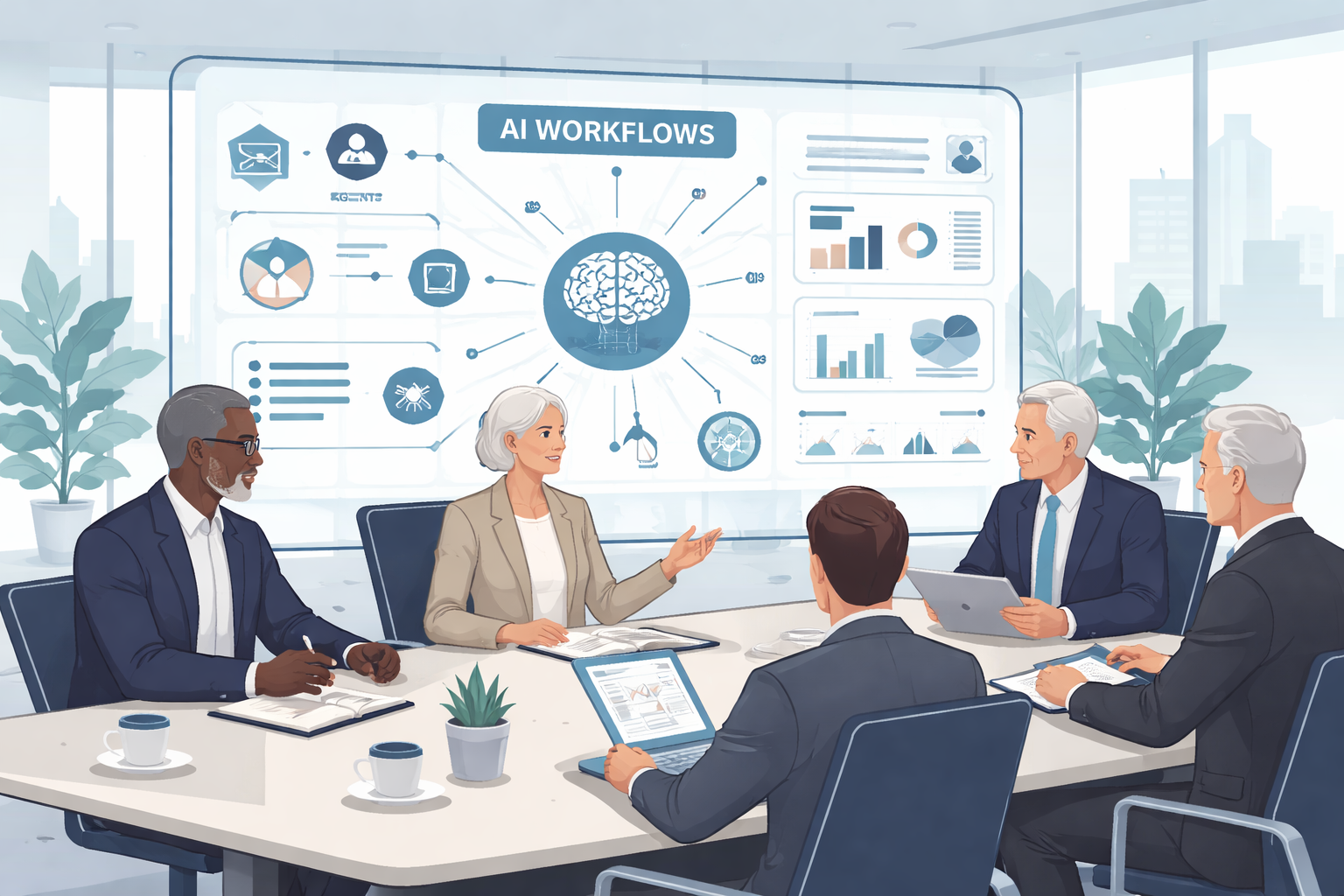
G–L: Governance & Guardrails
Moving from buzzwords to implementation reality.
G – Governance
Decision rights and risk thresholds for core AI processes.
H – Human in the Loop
Defining where experts must review and where AI runs free.
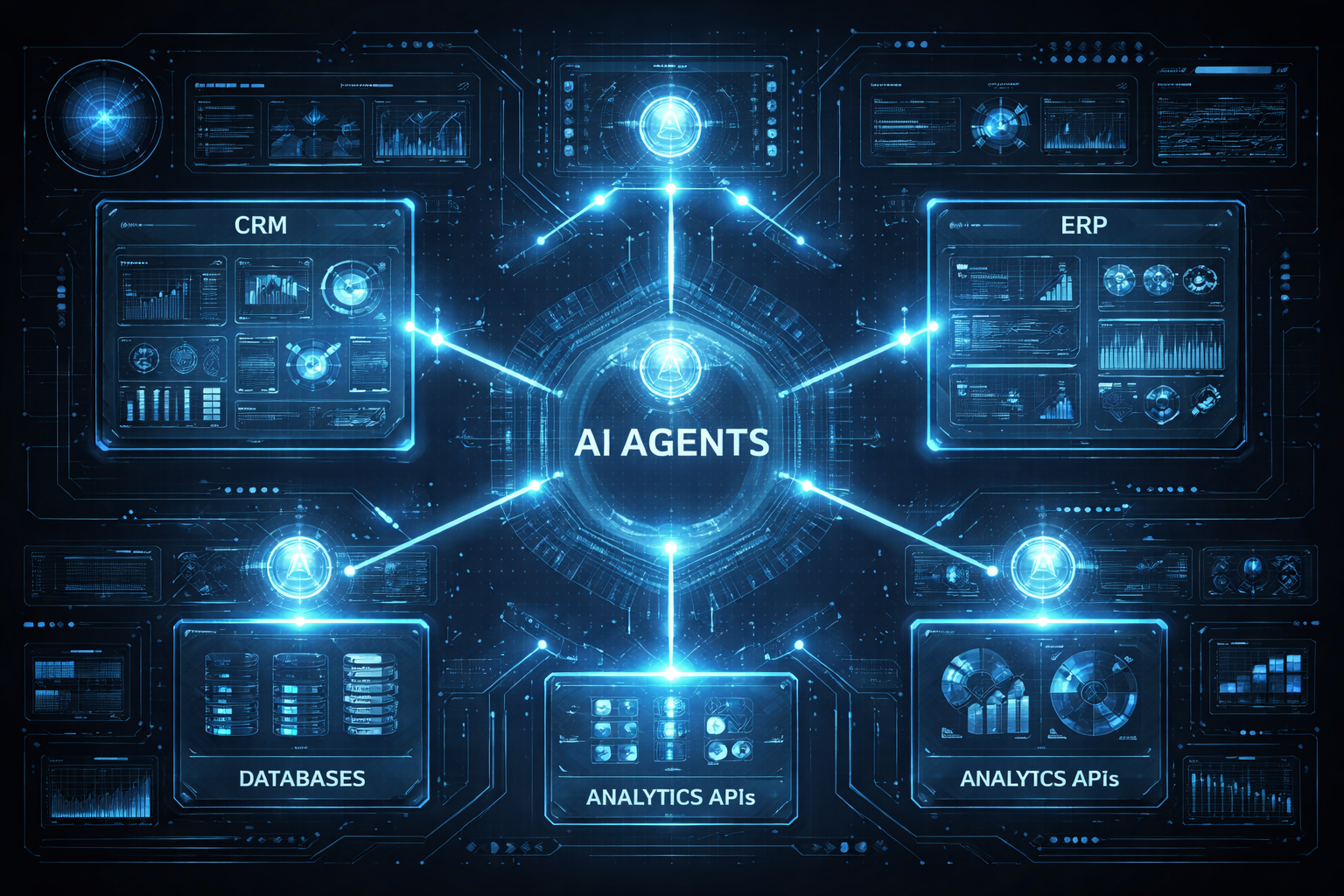
I – Integration
Connecting AI to CRM, ERP, and legacy data warehouses.
J – Journeys
End-to-end flows where AI compresses time and effort.
K – KPIs
Metrics: cycle time, NPS, margin, and forecast accuracy.
L – Legacy Reality
Pragmatic scaling within current tech stack limitations.
M–R: MCP & The Tooling Layer
“How does this talk to our systems?” This is your technical script.
M – MCP Tooling
Universal standard for AI to discover and call enterprise data APIs safely.
N – North Star Cases
Flagship workflows that prove value and de‑risk broader rollout.
O – Orchestration
Coordinating multiple agents into a reliable, repeatable workflow.
P – Platform Strategy
Common patterns so teams don’t rebuild AI from scratch.
Q – Quality & Eval
Systematic tests to keep AI outputs reliable over time.
R – Risk & Regulation
Respecting AI regulations, sector rules, and client contracts.
S–Z: Strategy & Change
The human and organizational side of the AI equation.
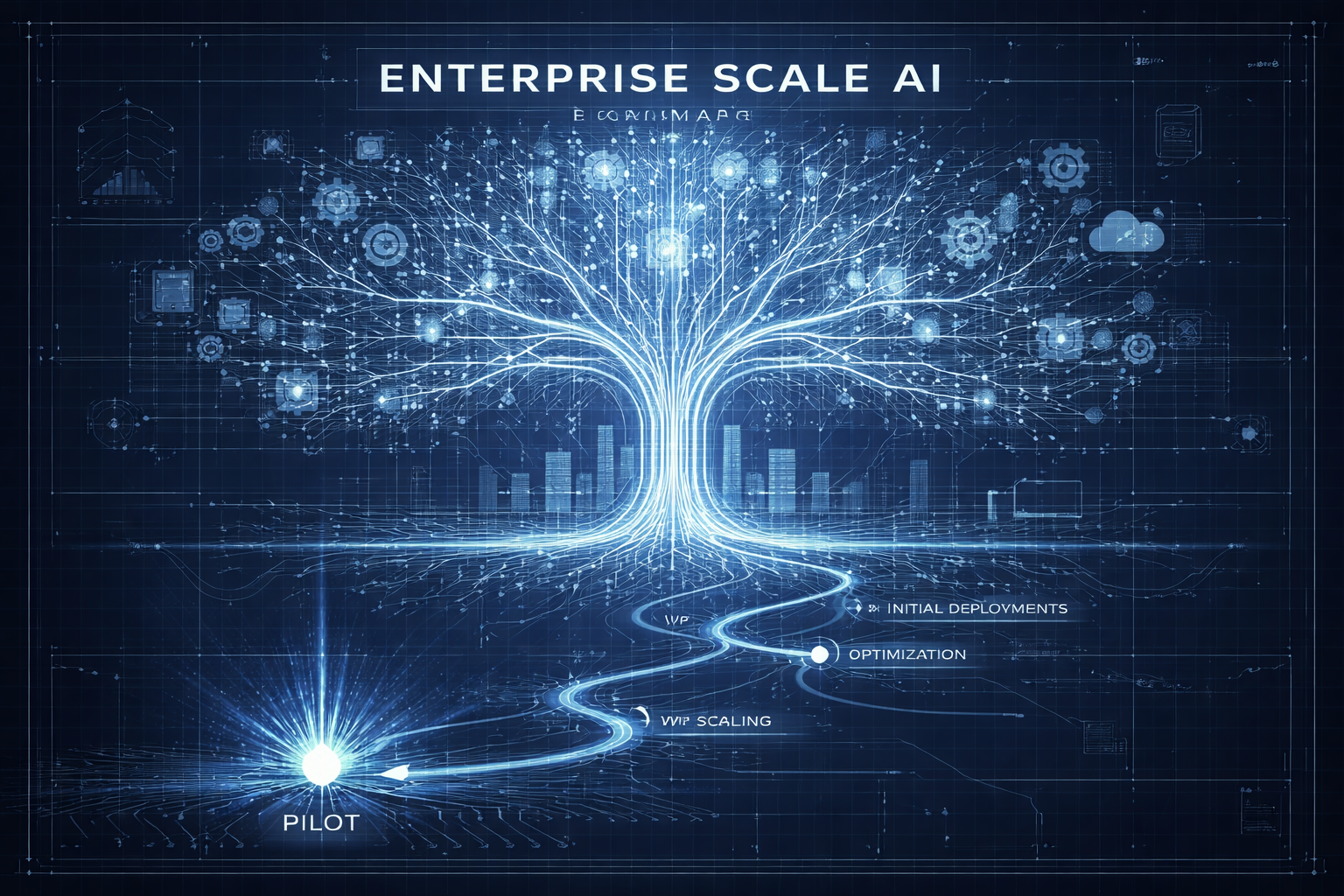
S – Scaling
From pilots to enterprise rollout via reference architectures.
T – Talent & Ops
New skills and governance forums needed to run AI at scale.
U – Upskilling Clients
Shaping exec understanding so they own the AI decisions.
V – Value Realization
Tracking benefits and redirecting funds to winning pilots.
W – Workforce Exp
How AI changes the day‑to‑day reality of knowledge workers.
X–Z – Exp. Zone
Sandboxes where teams safely test new agents and tools.
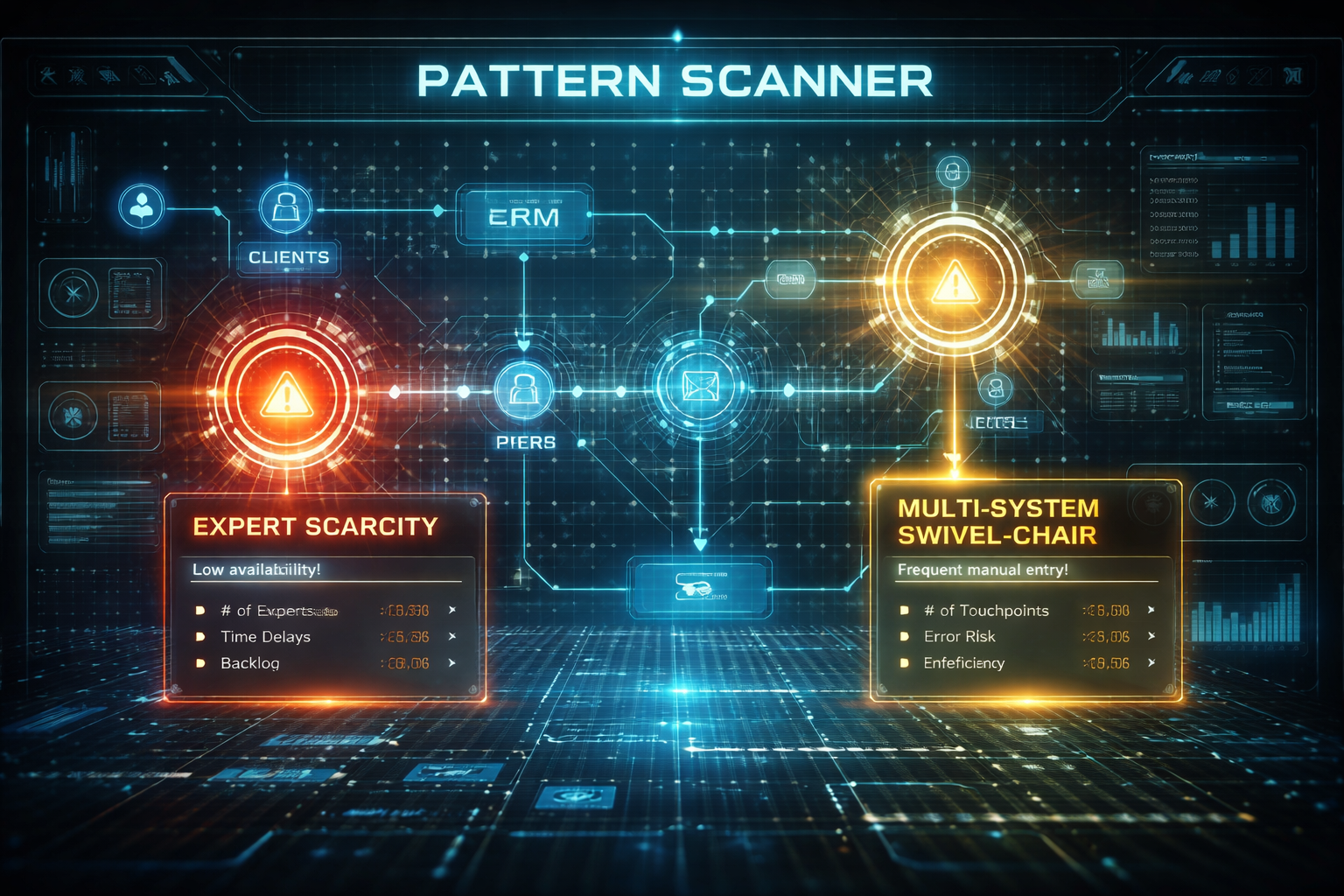
Pattern Spotter
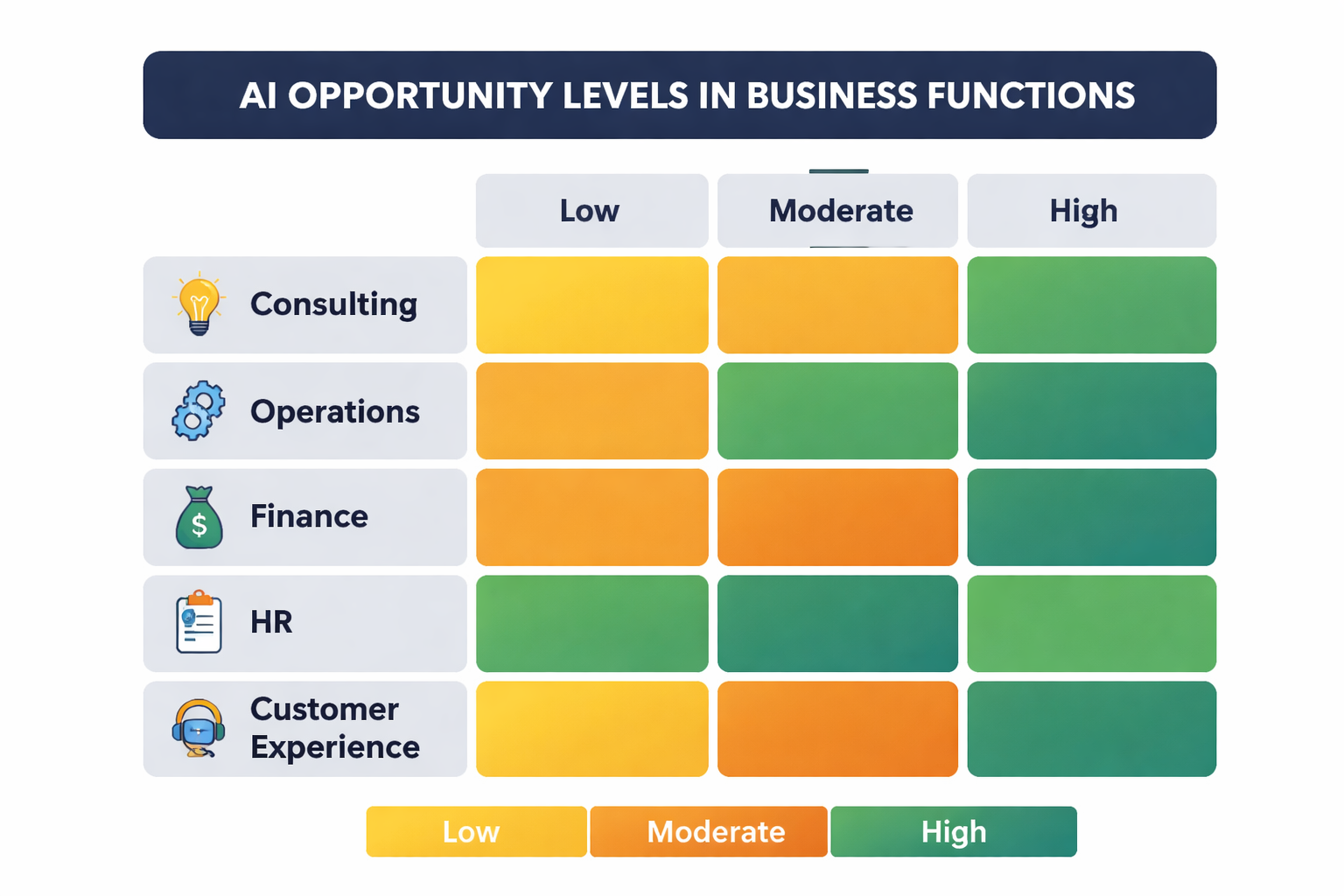
Toggle the patterns you see most in your client portfolio to identify the AI augmentation opportunity.
Framing MCP Tooling
You're explaining "MCP-style" tooling to a CFO. Which framing is most accurate?
Scenario Lab
Return to the steering-committee prep scenario. How would you refine your AI angle now?
“Our consultants spend nights stitching PPTs and Excel from 9 systems for every steering committee.”
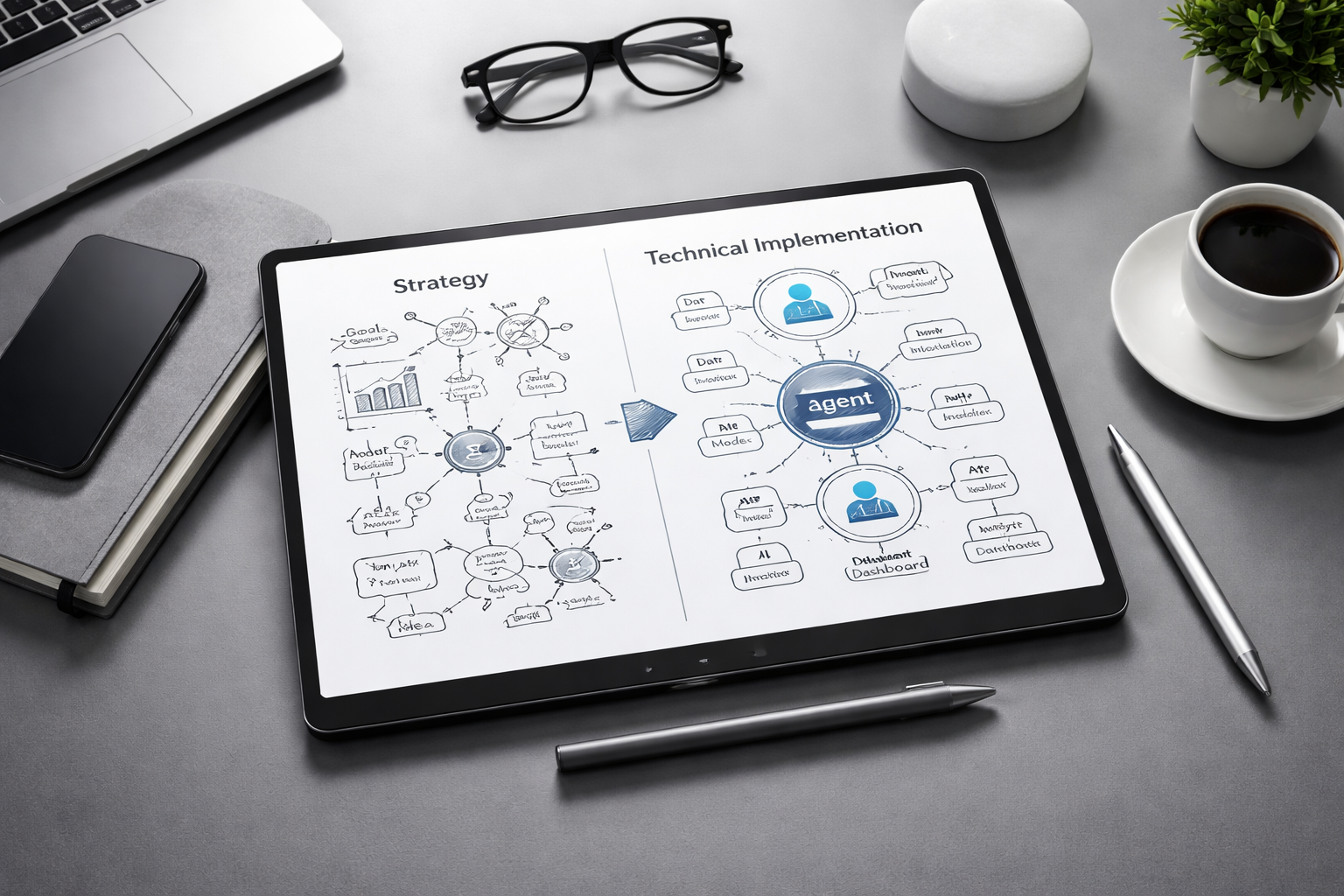
Agentic AI Candidates
Which situation is the strongest candidate for agentic AI augmentation?
Key Takeaways
- Translate jargon into outcomes: revenue, cost, risk, and experience.
- Use MCP-style tooling as the adapter between AI and enterprise systems.
- Look for messy, multi-system, text-heavy workflows for agentic AI.
- Pair ambition with technical governance and scaling narratives.
Ready to Verify?
Check your ability to recognize and frame AI opportunities for the executive suite.
A retail client wants “AI everywhere.” Which response best reflects the A–Z mindset?
Where is agentic AI most likely to add value in a consulting engagement?
A bank asks how your solution will “talk to our systems and stay compliant.” What do you emphasize?
Which portfolio pattern should trigger an “AI augmentation” discussion?